


PART 2: Top Formulating Tips

In the last post we talked about having a clear intention in a formula and not trying to accomplish too many things at once. If you’ve ever worked with vision boards, the process is quite similar–focused intentions are better able to reach their targets!
I also touched on medicinal potency in an herbal formula, but that’s more of a long-term goal than something you need to get obsessed about when you’re just getting started. You would need to know tons of information about someone’s health, how their body works, and about the individual plants before you could fully dive into that anyhow. That’s ok.
Start with more general blends initially–something like Seasonal Support or Stress Relief. It's pretty amazing how much you can accomplish with just the basics, because things like stress and sleep quality have profound impacts on our health.
Let’s get started:
TOP TIP #2: Keep it Simple, Safe & Focused - Keep your focus initially on taste, safety, and how you can add some gentle support. Stick with the herbs that are least likely to have allergy or interaction issues and that there is an abundance of. Think calendula, plantain, linden, mint, rose, tulsi, self-heal, etc.
One of the common mistakes people make when starting out is to “throw in everything but the kitchen sink.” Imagine you were wanting to make up a dessert and you just added everything sweet that you could think of as an ingredient and that became your recipe. Chances are you would not end up with a winner.
So when working with herbs, you need to know enough about the actions of various herbs that you can strategically choose each herb to fill a specific role or function in the formula. And remember–I’m creating some materials on herbal actions for the safest and gentlest herbs for everyone attending my formulation classes this fall, so that you don’t have to worry about herb-drug interactions or contraindications and can just play around with the various herbs to your heart’s content.
So getting back to the recipe metaphor, consider eggs in baked goods. Eggs play a role there that no other ingredient does. Once you have eggs, you don’t need another ingredient that’s going to act as a structural binder. You’ve got that covered. Each herb in your blend needs to have a specific purpose too.
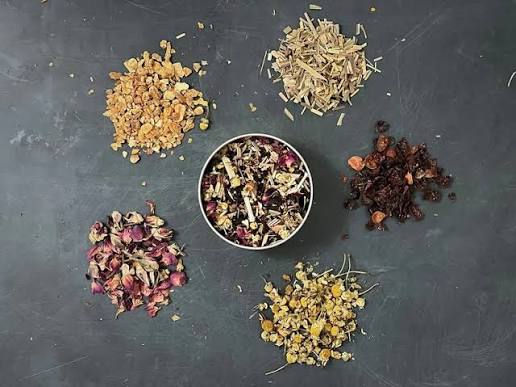
A good rule of thumb is to try to stick with just 5 herbs in any given formula. Usually you can get all your bases covered this way. Herbs are a little different in that each herb is often playing multiple roles at the same time, but that’s all the more reason you don’t usually need more than five herbs total.
For example, you may have selected chamomile in a rest-and-repair blend for its strong anti-inflammatory action, muscle relaxing properties, and as a nervine to help with anxiety and emotional distress. That’s three actions in one! Plus, it’s an extremely safe herb, so the only potential red flag would be if someone had an allergy to the plant (it’s in the asteraceae family so sometimes people have allergies to it). With chamomile in the mix, you may be able to create an entire formula with just three herbs, depending on what you are trying to accomplish!
I'm getting closer on nailing down on dates for formulating classes--probably around the Equinox after the Farmer's Market ends. Stay tuned!
P.S. I'll be traveling towards the end of August, so if you are looking to do a consult or follow-up this summer and aren't on the schedule yet, be sure to reach out within the next week or so!
And if you would like to get these blog posts delivered directly to your inbox so you never miss one, you can subscribe for free at arikarapson.substack.com.
Best,
Arika


Comments